
7 Mistakes You're Making with Your Online Return Rate (and How Virtual Try-On Fixes Them)

Updated: Jan 27
Let's talk about the elephant in the room, returns. If you're running an online fashion store, you already know they're eating into your margins like nobody's business. But here's the thing: most of those returns? Totally preventable.
This is your wake-up call. Below, you'll find the seven most common mistakes e-commerce stores make when it comes to return rates, and exactly how virtual try-on technology swoops in to save the day. Ready to stop bleeding money? Let's dive in.
Mistake #1: Relying on Generic Size Charts Alone
Here's a hard truth: that standard size chart sitting on your product pages isn't cutting it anymore. Why? Because sizing varies wildly between brands, styles, and even individual items. A medium in one shirt might fit like a large in another.
When customers don't know what size to order, they do what any reasonable person would do, they order multiple sizes and return what doesn't fit. That's money walking right out your virtual door.
How Virtual Try-On Fixes It:
Virtual try-on technology takes the guesswork out of sizing. Instead of squinting at a chart and hoping for the best, customers can actually see how a garment looks on their specific body type. It's like having a fitting room in their pocket. When shoppers feel confident about their size, they order once and keep what they buy.
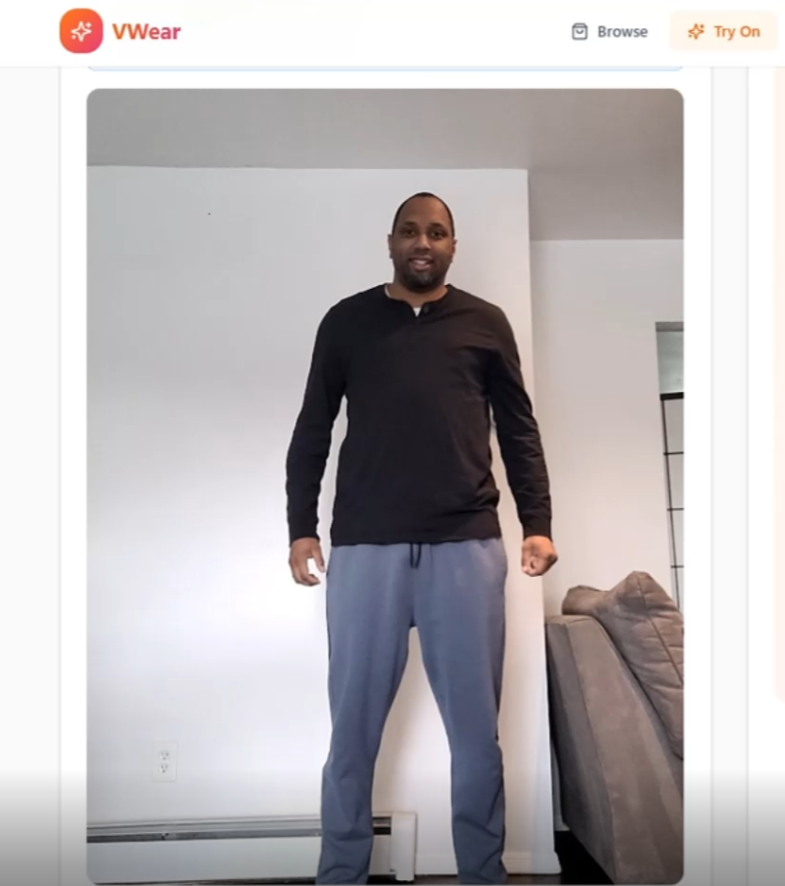
Mistake #2: Using Only Static Product Images
Sure, your product photos look gorgeous. But let's be real, a flat-lay shot or a picture on a model who looks nothing like your average customer only tells part of the story. Shoppers can't rotate the garment, see how it drapes, or understand the true fit from a few static images.
This visual gap creates uncertainty, and uncertainty leads to returns.
How Virtual Try-On Fixes It:
Virtual try-on bridges the gap between "looks great on the website" and "looks great on me." Customers upload their own photo and see a realistic preview of how that dress, jacket, or t-shirt actually looks on their body. No more surprises when the package arrives. What they see is what they get.
Mistake #3: Not Letting Customers Visualize Fit on Their Body Type
This one's huge. Your customers come in all shapes and sizes, but your product photos typically show one or two body types. When someone can't picture themselves in an outfit, they're either going to skip the purchase entirely (lost sale) or take a gamble and order anyway (potential return).
Neither outcome is great for your bottom line.
How Virtual Try-On Fixes It:
This is where virtual fitting rooms really shine. By letting customers see clothes on their actual body, not a model's, you're giving them the confidence to click "buy" without the fear of disappointment. It's personalized shopping at its finest.
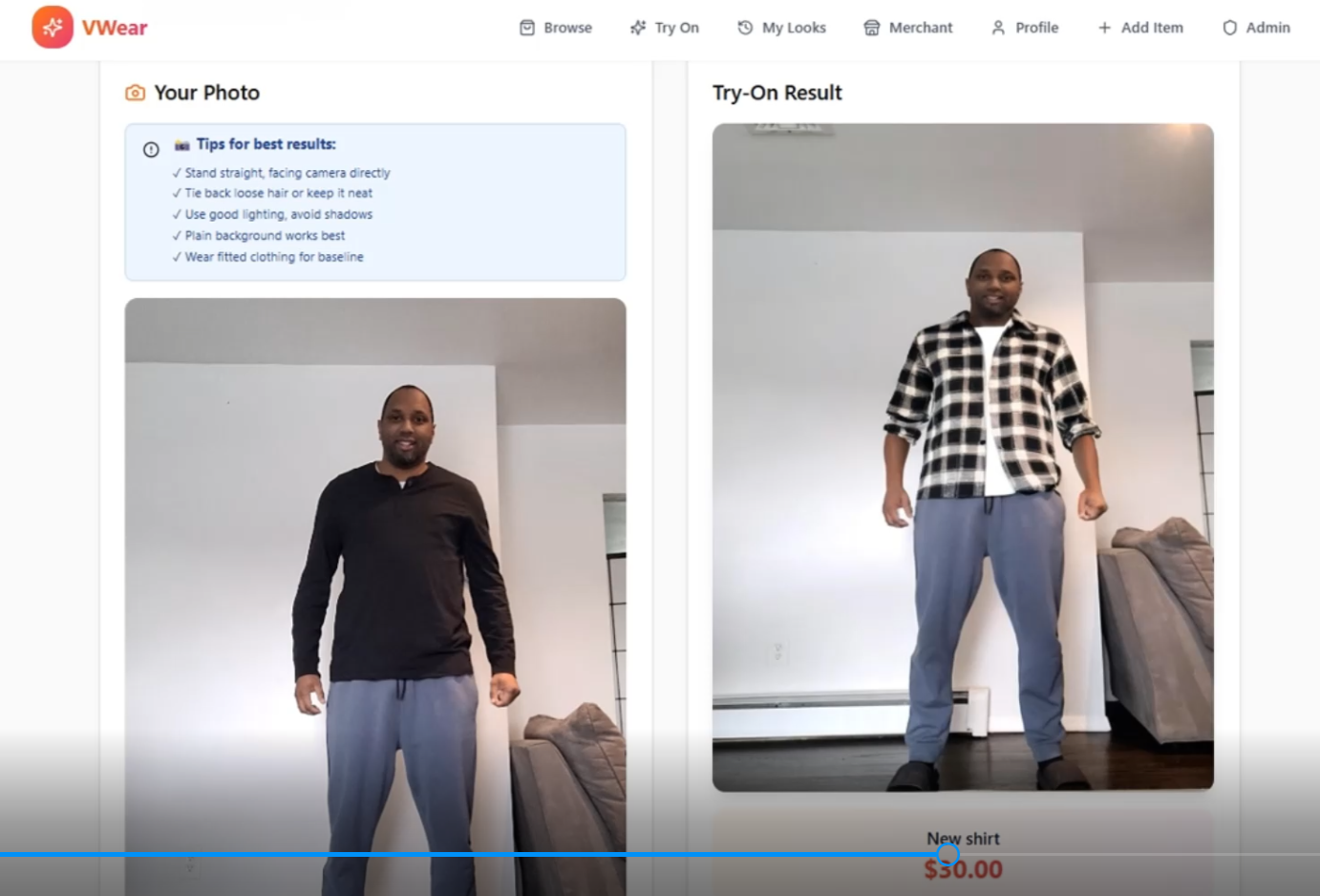
Mistake #4: Ignoring the "Uncertainty Gap" Before Purchase
Here's something you might not have considered: there's an emotional gap between "I like this" and "I'm going to buy this." That gap is filled with doubt, questions, and what-ifs. What if it doesn't fit? What if the color is off? What if it looks weird on me?
When you don't address that uncertainty, customers either abandon their cart or buy with the full intention of returning if things don't work out.
How Virtual Try-On Fixes It:
Virtual try-on closes that uncertainty gap by answering the "what if" questions before checkout. When shoppers can preview exactly how an item will look, those doubts melt away. Confidence goes up, returns go down. It's really that simple.

Mistake #5: Not Analyzing Why Returns Actually Happen
If you're not digging into your return data, you're flying blind. Are customers returning items because of fit issues? Quality concerns? Color discrepancies? Without understanding the "why," you can't fix the problem.
Many stores treat returns as an unavoidable cost of doing business online. Spoiler alert: they're not.
How Virtual Try-On Fixes It:
While virtual try-on doesn't analyze your data for you, it does eliminate one of the biggest return drivers, fit disappointment. When you implement virtual try-on and track your return rates before and after, you'll have clear data showing the impact. Most stores see a significant drop in fit-related returns almost immediately.
Mistake #6: Treating Returns as Inevitable Instead of Preventable
"Returns are just part of e-commerce." Sound familiar? This mindset is costing you money. Yes, some returns will always happen, but accepting a high return rate as normal means you're leaving serious cash on the table.
The best online retailers aren't just processing returns efficiently: they're actively preventing them from happening in the first place.
How Virtual Try-On Fixes It:
Virtual try-on is a proactive solution, not a reactive one. Instead of dealing with returns after the fact, you're preventing them at the source. By giving customers the tools to make better purchasing decisions upfront, you're building a shopping experience that minimizes regret and maximizes satisfaction.
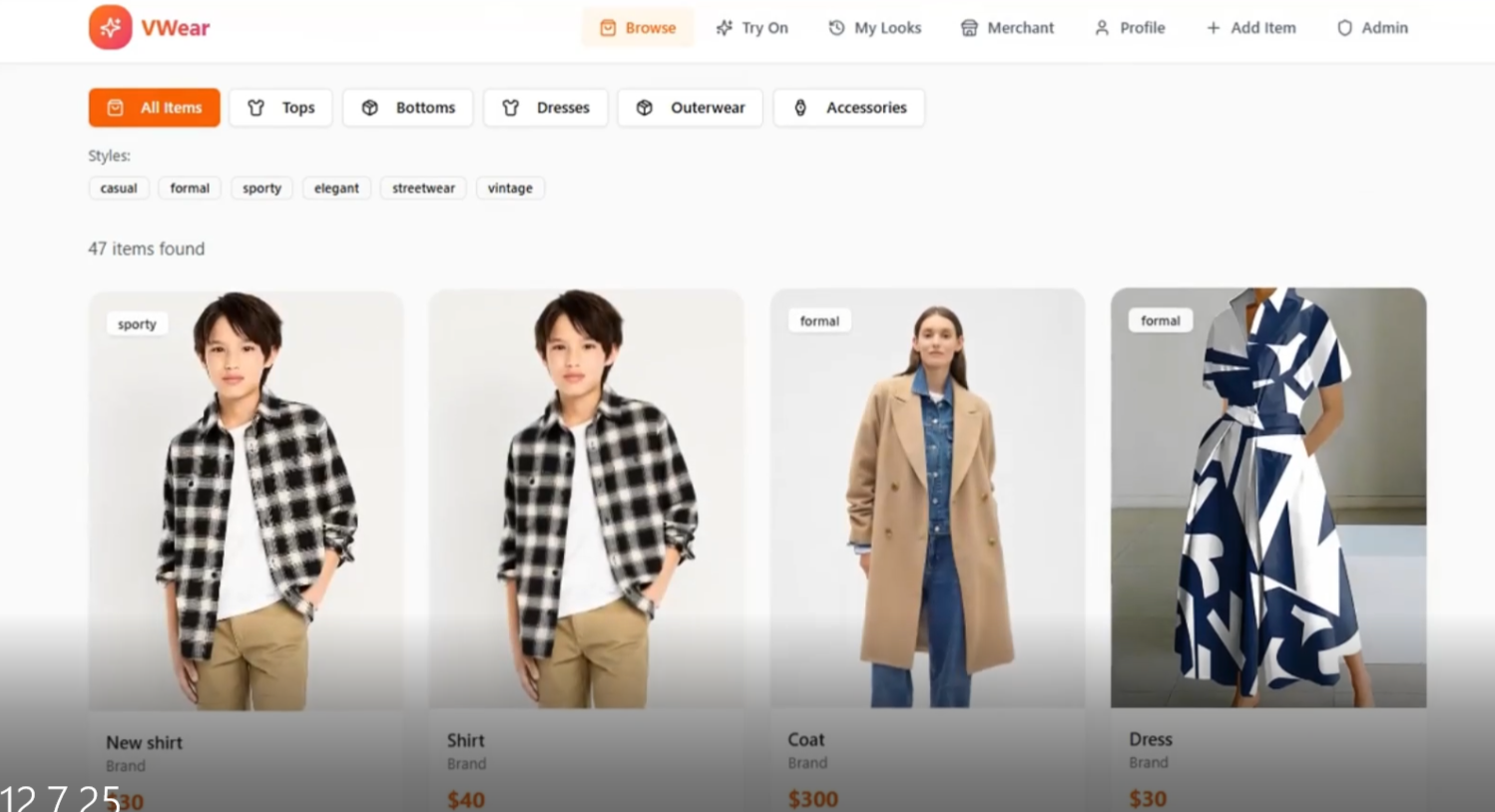
Mistake #7: Overlooking the Confidence Factor in Purchase Decisions
Here's the psychology behind online shopping: confident customers buy more and return less. Uncertain customers either don't buy at all or buy with a "return safety net" mentality.
If your store isn't actively building customer confidence, you're leaving both sales and profit margin on the table.
How Virtual Try-On Fixes It:
Nothing builds confidence like seeing yourself in an outfit before you buy it. Virtual try-on transforms the online shopping experience from a guessing game into an informed decision. Customers who feel good about their purchase are customers who keep their purchase. It's the ultimate confidence booster.
The Bottom Line: Virtual Try-On Isn't a Nice-to-Have Anymore
In 2026, virtual try-on technology has moved from "cool feature" to "essential tool" for any fashion e-commerce store serious about profitability. The math is simple: fewer returns mean higher margins, happier customers, and less environmental waste from shipping items back and forth.
Here's what you can do right now:
Audit your current return rate – Know your numbers before you make changes
Identify your biggest return drivers – Is it fit? Appearance? Something else?
Implement virtual try-on technology – Give customers the tools they need to shop confidently
Track the results – Compare your return rates before and after
Ready to see virtual try-on in action? Head over to VWEAR and discover how easy it is to add a virtual fitting room to your online store. Your customers (and your bottom line) will thank you.
What mistakes have you seen stores make with their return rates? Drop by our Fashion Forum and share your thoughts. We'd love to hear from you!
Comments