
Does Virtual Try-On Really Matter in 2026? Here's the Truth About Returns and Sustainability

Let's be honest. You've probably seen virtual try-on features popping up everywhere lately. From eyewear to lipstick to that cute jacket you've been eyeing online, the "try it virtually" button is becoming harder to ignore. But here's the question you might be asking yourself: does this technology actually matter, or is it just another flashy gimmick?
This is your deep dive into what virtual try-on really means in 2026. We're talking real numbers, real impact, and the truth about how this technology is reshaping both your shopping experience and the planet.
Spoiler alert: it matters more than you might think.
The Returns Problem Nobody Talks About
Here's a stat that might surprise you: online fashion returns have historically hovered around 30-40%. That's nearly half of everything ordered getting shipped back. And every single return has a cost, not just to the retailer, but to the environment.
Think about it. Your package travels from a warehouse to your door. You try it on, realize it doesn't fit quite right, repack it, and send it back. That item then travels back to a facility where it gets inspected, reprocessed, and often marked down or discarded entirely.
The carbon footprint? Massive. The waste? Staggering.
This is where virtual try-on technology enters the conversation. And in 2026, it's not just entering, it's taking center stage.
How Virtual Try-On Actually Works
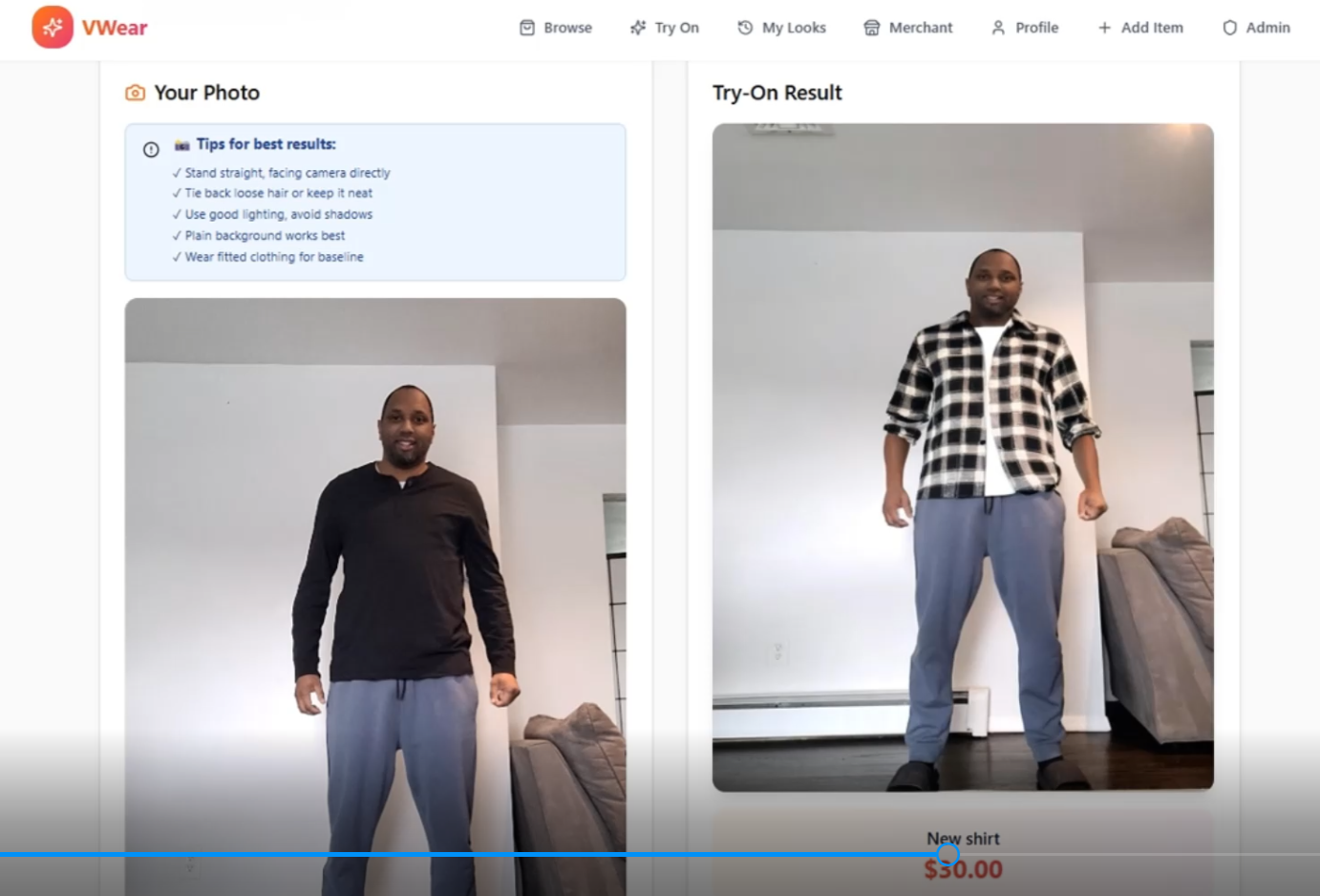
Before we get into the numbers, let's break down what we're actually talking about here. Virtual try-on technology uses a combination of AI, augmented reality, and body-scanning algorithms to show you how clothing will look on your specific body.
Here's how it typically works:
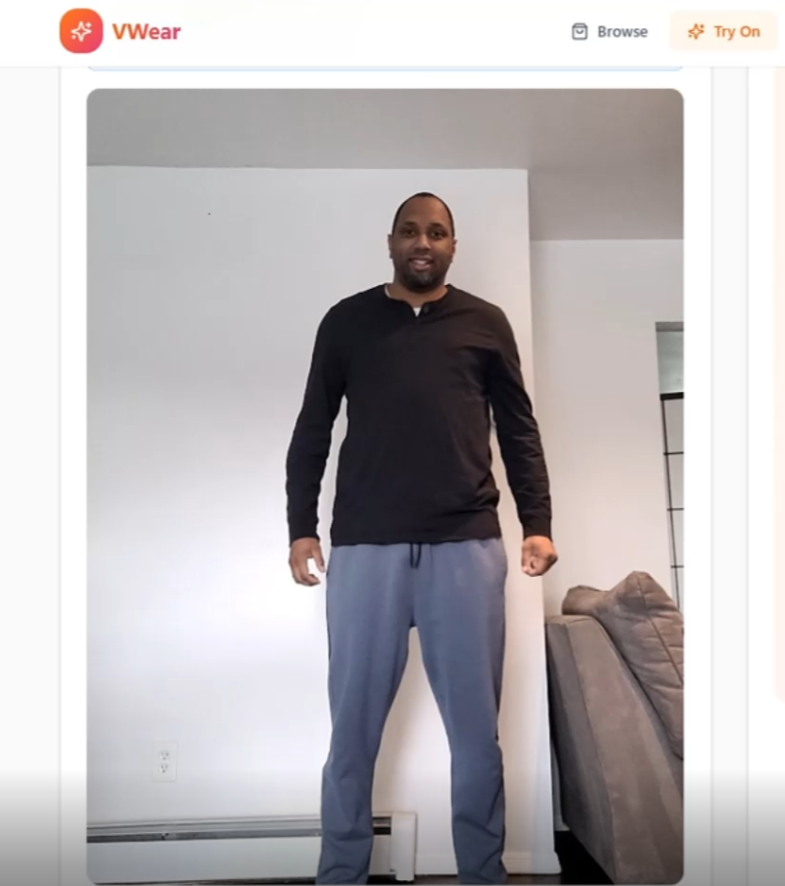
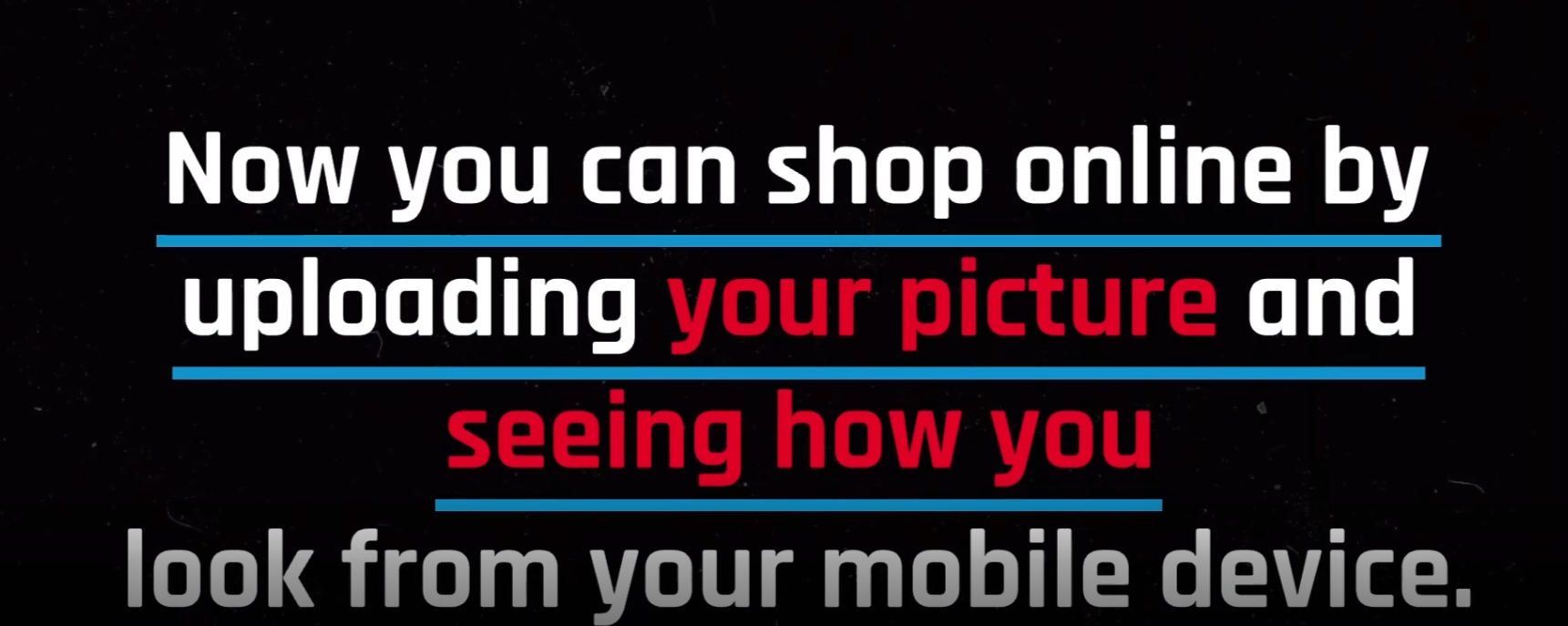
You upload a photo or use your device's camera to capture your body
The system analyzes your measurements using AI-powered detection
You browse products and select items you want to try
The technology overlays the clothing onto your image in real-time
You see a realistic preview of how that item will actually look on you
No guesswork. No hoping that "medium" means the same thing across different brands. No ordering three sizes just to keep one.
This is your personalized fitting room, accessible from your couch, your commute, or your lunch break.
The Numbers Don't Lie
Alright, let's talk data. Because if virtual try-on is going to matter, it needs to prove itself with results.
Return rates drop significantly. Studies show that retailers implementing virtual try-on technology see 20-30% fewer returns. Some brands in specific categories have achieved up to 40% reduction. That's not a minor improvement, that's a fundamental shift in how online shopping works.
Sales conversions increase dramatically. Brands have reported a 2.5 times increase in sales conversion after implementing virtual try-on features. Real-world examples make this even clearer: Sephora achieved an 11% increase in sales through AR try-on, while Warby Parker experienced an 85% higher conversion rate among users who engaged with their virtual try-on tool.
The market is booming. In 2026, the virtual fitting room market is estimated at USD 9.81 billion. This isn't experimental technology anymore. It's mainstream adoption backed by serious investment.
Industry experts agree. 38.4% of retail experts identified virtual fitting rooms and try-ons as the best way to bridge the gap between digital and physical retail experiences. That's the highest endorsement of any technology in this space.
These aren't projections or hopeful estimates. These are real results from real implementations happening right now.
The Sustainability Factor
Here's where things get really interesting. Because virtual try-on isn't just about convenience or sales metrics. It's becoming a genuine sustainability solution.
Every return that doesn't happen is:
One less shipment burning fuel on the road
One less item sitting in a returns processing center
One less product potentially ending up in a landfill
One less carbon footprint added to fashion's environmental impact
When you make a more informed purchase, when you actually see how something looks on your body before clicking "buy", you're more likely to keep it. And when you keep it, the entire wasteful cycle of returns gets interrupted.
This matters because the fashion industry is one of the world's largest polluters. Returns alone generate billions of pounds of waste annually. Any technology that can meaningfully reduce that number isn't just a nice-to-have, it's essential.
Reduced returns decrease environmental impact. Better-informed purchases reduce waste. These outcomes support both business goals and environmental goals simultaneously. That's the kind of win-win that actually moves the needle.
What This Means for You as a Shopper
So what does all this mean for your actual shopping experience in 2026?
More confidence in every purchase. No more gambling on whether that dress will fit your shoulders or if those pants will hit at the right length. You'll know before you buy.
Less hassle with returns. Think about the time you spend repackaging items, printing labels, dropping off returns. Virtual try-on helps you reclaim that time by getting it right the first time.
Shopping that aligns with your values. If sustainability matters to you (and it matters to most shoppers in 2026), using virtual try-on is a tangible way to reduce your personal environmental impact.
Access to your own virtual fitting room. This is your space to experiment with styles, colors, and fits without the pressure of a store fitting room or the uncertainty of blind online ordering.
What This Means for Retailers
If you're running an online store, the message here is pretty clear. Virtual try-on technology has moved from "interesting innovation" to "strategic necessity."
Here's what you should know:
Your customers expect it. As virtual try-on becomes more common, shoppers will gravitate toward retailers that offer it. It's becoming a competitive differentiator.
Your bottom line benefits. Reduced returns mean reduced costs. Higher conversions mean increased revenue. The ROI case for virtual try-on is strong and getting stronger.
Your brand gets a sustainability boost. Consumers care about environmental impact. Offering technology that demonstrably reduces waste positions your brand as forward-thinking and responsible.
Implementation is easier than ever. In 2026, adding virtual try-on to your online store doesn't require building technology from scratch. Solutions exist that integrate with major e-commerce platforms.
The Bottom Line
Does virtual try-on really matter in 2026? The evidence points to a clear answer: yes.
It matters for reducing the staggering return rates that plague online fashion. It matters for improving sales conversions and customer satisfaction. It matters for addressing the environmental impact of wasteful shopping cycles. And it matters for creating a better, more confident shopping experience for everyone involved.
This isn't about chasing the latest tech trend. This is about solving real problems that affect shoppers, retailers, and the planet.
The question isn't whether virtual try-on matters. The question is whether you're ready to experience it for yourself.
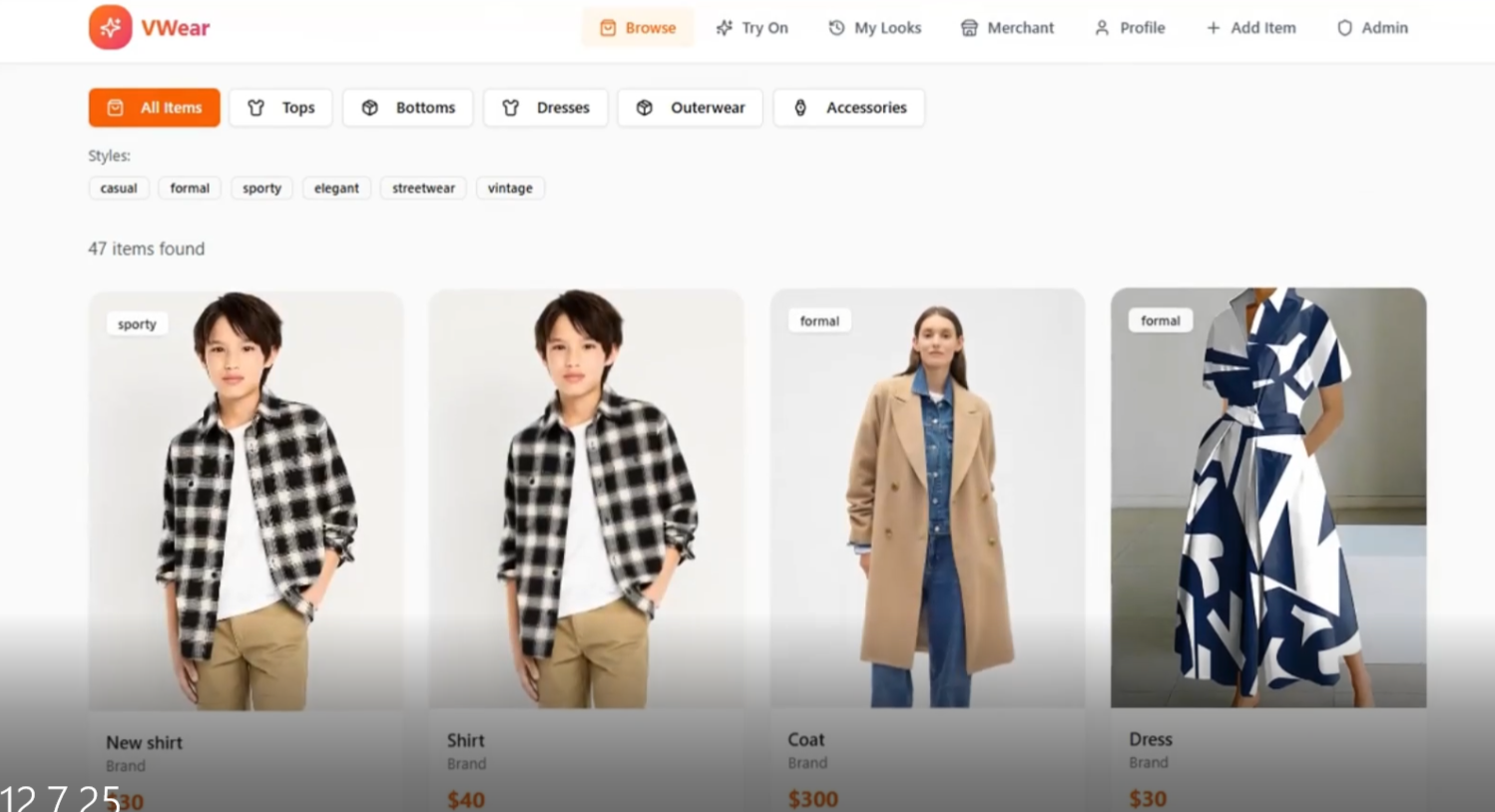
Ready to see how virtual try-on can transform your shopping experience? Head over to VWEAR and try it out. Upload your photo, browse our catalog, and see exactly how your next favorite outfit will look on you: before you buy. Have questions or want to chat with others about virtual fitting room experiences? Join the conversation in our Fashion Forum.
Your fitting room is waiting. 👕✨
Comments